
Mobile App MVP: The 7 Features You Should Build First
A practical way to scope a first mobile release around one valuable user journey instead of an expensive list of untested features.
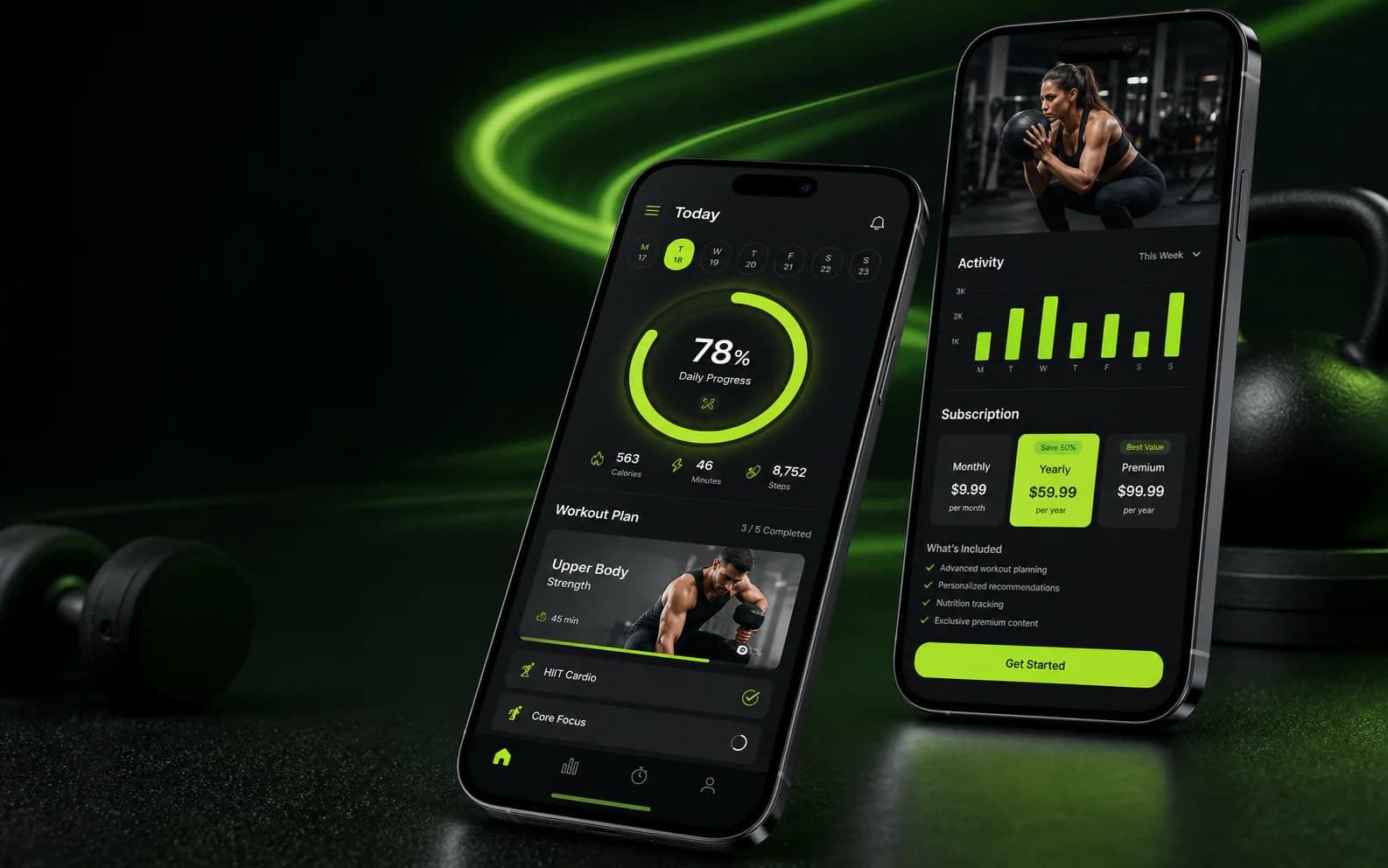
One job → one reliable MVPFIG.01
Short answer
A mobile MVP should carry one valuable user journey end to end, not a shortened version of every planned feature. In practice that means sign-in, the core action itself, a way to see its result, notifications, and basic support — plus offline and failure states designed from the start rather than added after launch.
Key takeaways
- Scope the first release around one journey a user completes, not a list of features.
- Offline and failure states are core to a mobile app, not polish to add later.
- Anything that does not serve the first journey belongs in version two.
- Instrument the app before expanding it, so the next features answer real usage rather than opinion.
A useful MVP is not a smaller version of the final app. It is the smallest reliable product that lets a real user complete the job they installed it for. Good mobile app development protects that core journey before spending budget on secondary features.
The seven foundations
- Simple onboarding that explains value before asking for personal data.
- Secure sign-in with password recovery and clear session handling.
- The single primary workflow users will return to complete.
- A focused home screen showing the next useful action, not every module.
- Notifications only for events the user would genuinely care about.
- Support, feedback and error recovery inside the app.
- Analytics and crash reporting so version two is based on evidence.
What should wait
Complex social feeds, deep customization, referral programs and advanced dashboards can wait unless one is the product's core promise. Every extra feature increases QA combinations, store-review risk and the number of places a first-time user can get lost.
Design offline and failure states early
Mobile networks disappear, uploads fail and permissions get denied. The MVP should preserve drafts, explain what happened and provide a safe retry. A polished happy path with broken recovery is not production-ready.
Measure before expanding
Track activation, completion of the main workflow, retention and the screens where people leave. The FitPak case study shows how a focused cross-platform product can ship from one codebase. Send us your app idea and we will identify the first release worth building.
Frequently asked questions
How many features should an MVP have?
Count user journeys, not screens. One complete primary journey plus onboarding, account, support and measurement is usually enough for the first release.
Should an MVP launch on iOS and Android together?
For most business apps, React Native or Flutter can launch both from one codebase. Hardware-heavy products may justify a native-first rollout.
How long does a mobile MVP take?
A focused MVP commonly takes 6–12 weeks, depending on backend complexity, integrations, approvals and content readiness.
/Services in this article
/Mobile App Development by country
/Related project previews
See the ideas in production

Keep reading
All articlesNative or Cross-Platform? Choosing How Your Mobile App Gets Built
Flutter, React Native, Swift and Kotlin compared for business apps — what each approach is good at, where the real cost difference sits, and how to pick without over-engineering.
How Much Does Mobile App Development Cost in 2026? Real Numbers
Actual 2026 price ranges for iOS and Android apps — by app type, what drives the budget, the hidden costs agencies forget to mention, and how to keep scope sane.