What Makes a Digital Agency Website Credible to Enterprise Clients?
The pages, proof and conversion paths a digital agency needs to move from portfolio decoration to enterprise-grade lead generation.
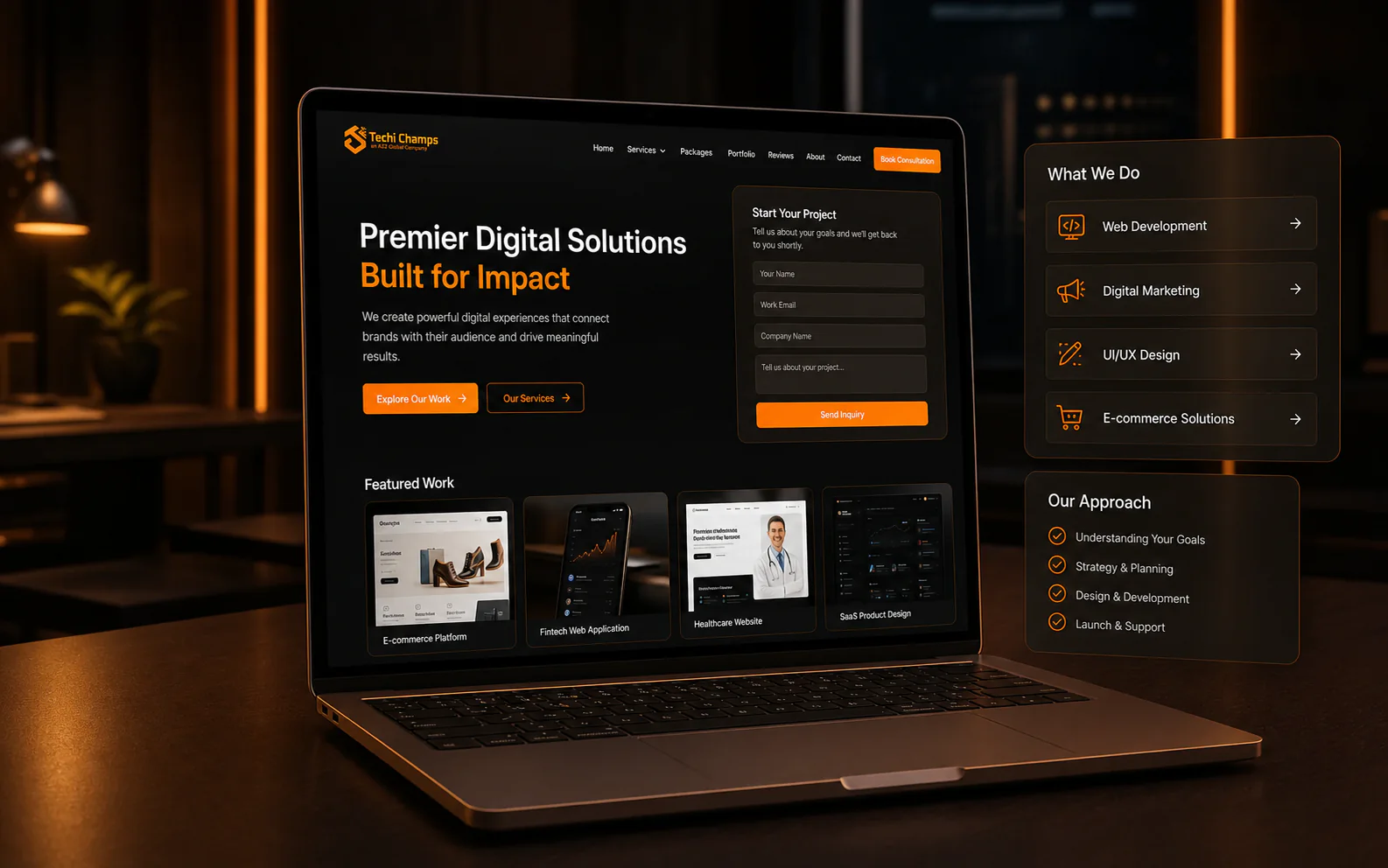
Positioning → proof → inquiryFIG.01
Short answer
An agency website becomes credible to enterprise buyers when its positioning excludes something, its case studies show the full chain from problem to result, and its process is described as part of the product. Vague full-service claims and portfolio screenshots without context are what make an agency look interchangeable.
Key takeaways
- Positioning that excludes nothing signals nothing — enterprise buyers read it as inexperience.
- A case study needs the whole chain: problem, constraint, decision, build, outcome.
- Process is part of what enterprise clients buy, so describe it rather than implying it.
- Make the enquiry form qualify the lead instead of collecting a name and a message.
Enterprise buyers judge an agency's delivery discipline through its own website. A beautiful homepage can earn attention, but credibility comes from specificity: what you solve, how you work, what you shipped and what happens after someone sends an inquiry.
Positioning must exclude something
A list of every digital service says very little. Lead with the type of client, problem or outcome the agency handles best, then organize supporting capabilities underneath. Buyers should know within one screen whether the team belongs on their shortlist.
Case studies need a complete chain
- Context: what the client and market required.
- Constraint: what made the project difficult or commercially important.
- Work: the decisions, systems and deliverables the agency owned.
- Outcome: verified evidence or a clear qualitative result without invented numbers.
Process is part of the product
Show discovery, planning, design, development, QA and support in plain language. Enterprise teams are evaluating communication and risk as much as visual quality. Ownership terms, security practices and the post-launch model should not be hidden until the proposal.
Make the inquiry easy to qualify
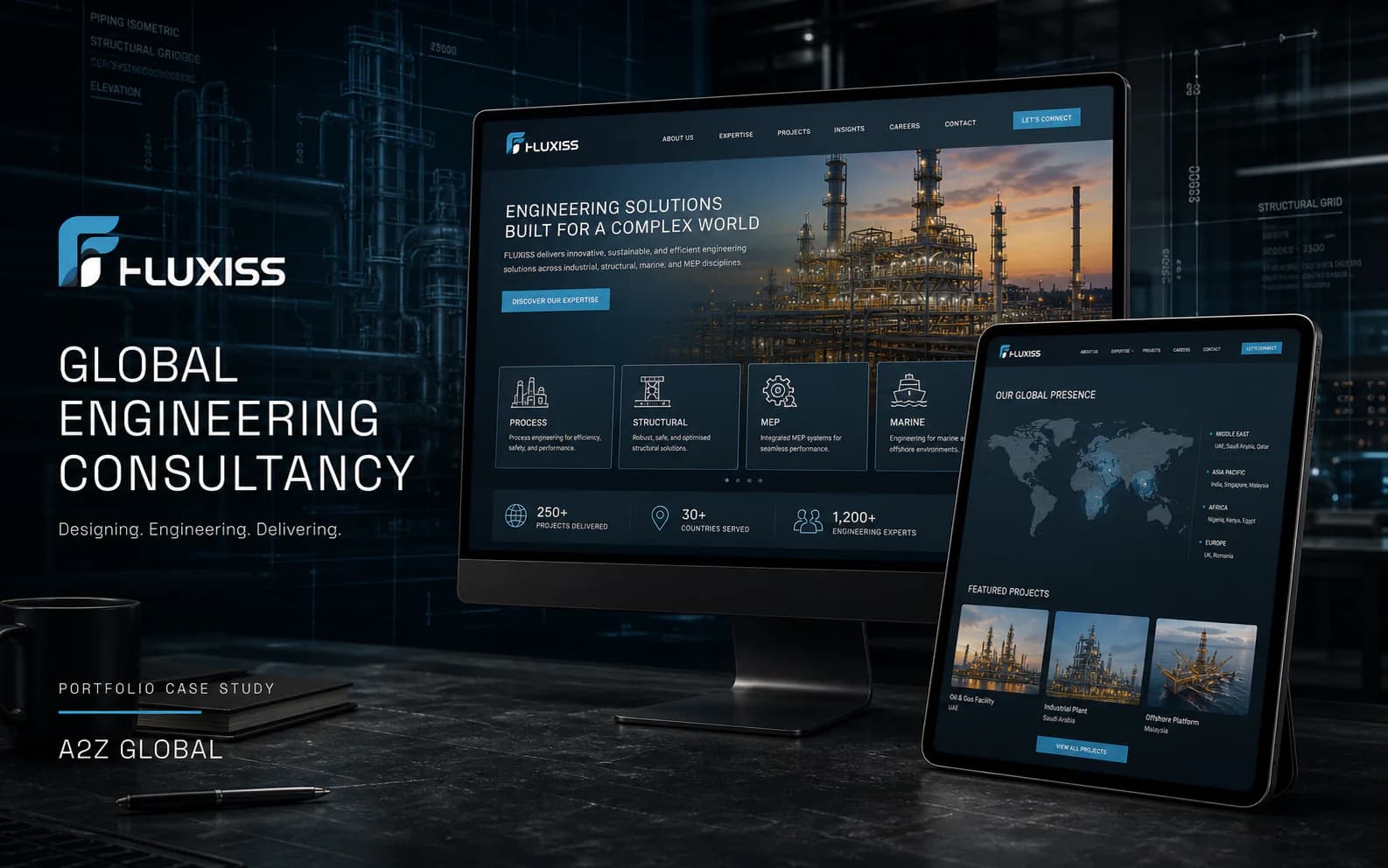
Ask for project type, goal, timeline and a short brief; earn the rest in the conversation. The Fluxiss case study shows how structured service architecture, project case studies and a clear inquiry path work together. If your agency site undersells the team behind it, talk to our web team.
Frequently asked questions
How many case studies should an agency website launch with?
Three complete, relevant case studies are enough. Add more only when they demonstrate a different capability, market or project scale.
Should an agency publish prices?
Publishing starting ranges can filter poor-fit leads. Complex work still needs discovery before a fixed quote, so explain the pricing model rather than promising one universal package.
Do animations improve agency credibility?
Only when they reinforce hierarchy and polish without slowing the page. Performance, accessibility and clarity matter more than the number of effects.
/Services in this article
/Web Development by country
Keep reading
All articlesWeb Design in Pakistan: What Changes Between Karachi, Lahore and Islamabad
How a business website should differ depending on whether its customers are in Karachi, Lahore or Islamabad — what visitors in each city expect, what they search for, how they pay and contact you — and how to brief a web designer in any of them.
How to Structure an Engineering Consultancy Website for Technical Buyers
A practical information architecture for multidisciplinary engineering firms: service taxonomy, project proof, regional pages and qualified consultation paths.