
How to Choose a Software Development Partner in the USA, UAE or Pakistan
A due-diligence checklist for hiring a software agency: portfolio proof, process transparency, ownership, support — and the red flags that predict a failed project.

The due-diligence sheetFIG.01
Short answer
Judge a software partner on proof rather than promises: working systems you can see, a process they can describe in detail, written terms on code and data ownership, and a defined support arrangement after launch. Reluctance to discuss ownership or support is the red flag that most reliably predicts a failed project.
Key takeaways
- Ask to see working systems, not slide decks — and ask what went wrong on them.
- A partner who cannot describe their process in detail does not have one.
- Settle source code, database and account ownership in writing before work starts.
- Agree what support costs and covers before launch, not after the first outage.
Most failed software projects were lost at vendor selection, months before the first bad demo. After inheriting many half-built systems from other agencies, we know exactly what the warning signs looked like in hindsight. Here is the checklist we would use if we were hiring — including against ourselves.
Demand proof, not promises
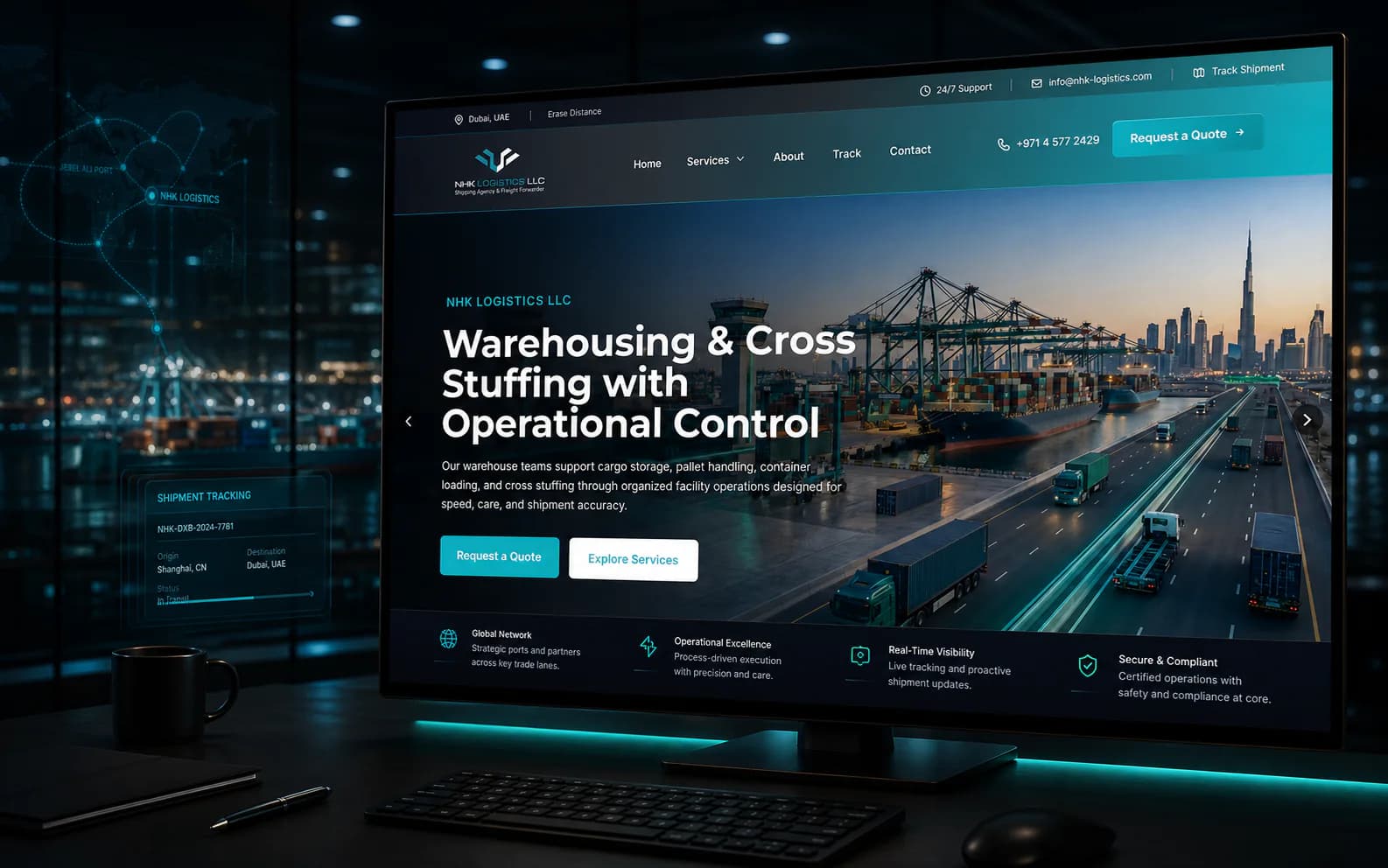
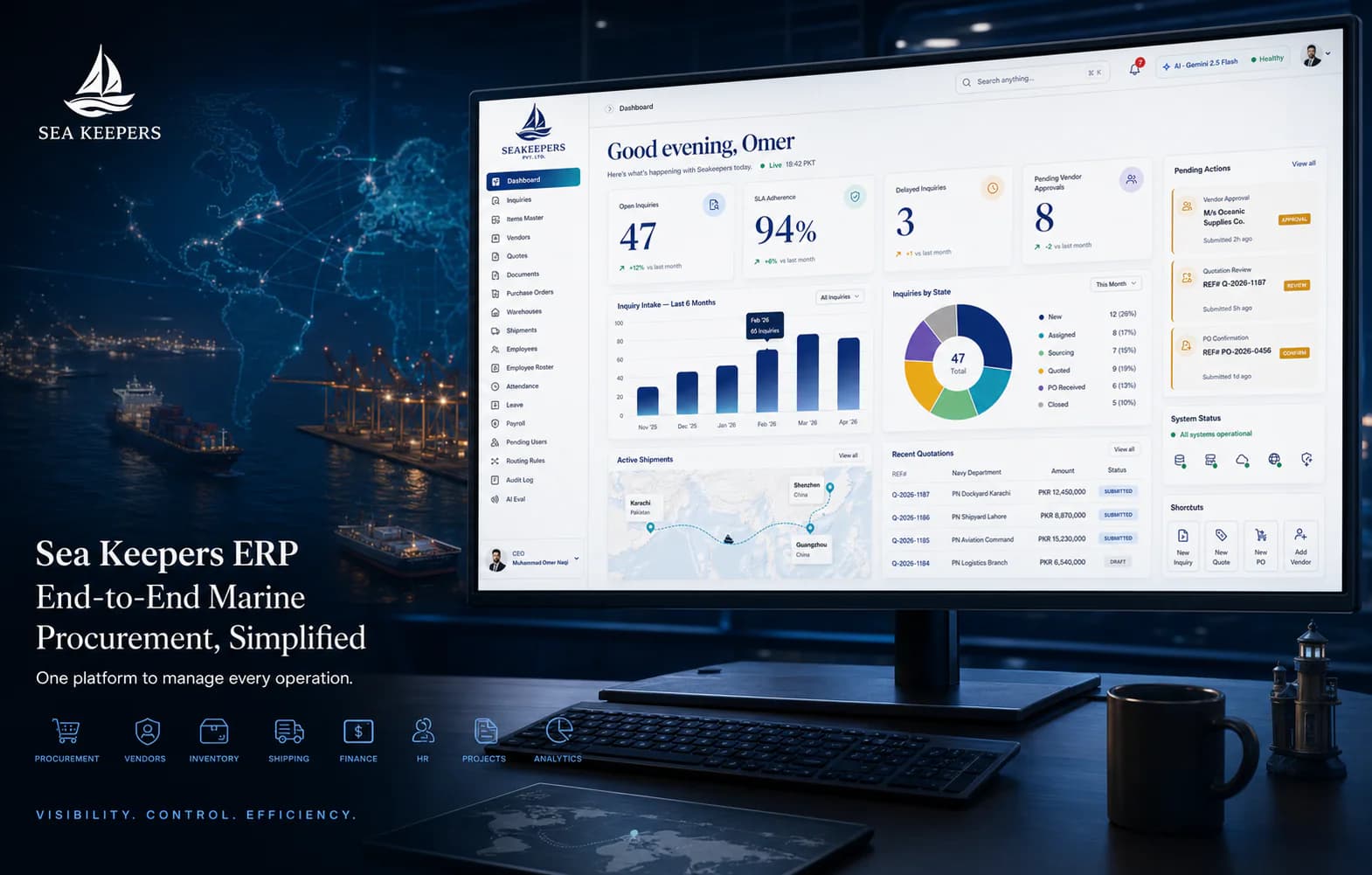
Ask for live systems, not slide decks: real URLs, real metrics, a client you can message. Our portfolio links to production work precisely because screenshots prove nothing. If an agency cannot show running software, they have not shipped any.
Interrogate the process
- Weekly demos on a staging link — not monthly status PDFs.
- A named person accountable end-to-end (see how we work).
- Scope, timeline and payment tied to milestones in writing.
- Testing and security as line items, not afterthoughts.
Check what you own when it ends
Code repository, domain, hosting, database — all in accounts you control from day one. The most expensive sentence in this industry is 'the old developer has the passwords'. Walk away from anyone who hesitates here.
Ask what happens after launch
Software is an operation, not an event: monitoring, backups, security patches, small changes. An agency with no support and security offering is planning to disappear at handover — which tells you how they will behave before it.
The red flags that predict failure
- A detailed quote within the hour, before understanding your workflows.
- No questions about your business — only about your budget.
- Everything is possible, nothing is a trade-off.
- Communication is already slow during sales, when they are trying hardest.
Run this checklist against us too: start with one conversation about your project. You will get honest trade-offs and a written scope — and if off-the-shelf software serves you better, we will say so, as we did in our guide on custom vs off-the-shelf ERP.
Frequently asked questions
Is it risky to hire a development team in Pakistan from the USA or UAE?
Geography matters less than process: weekly staged demos, written milestones and accounts you own remove most of the risk. Teams in Pakistan routinely deliver enterprise work at 40–60% of Western agency rates.
Should we hire freelancers or an agency?
A freelancer suits one well-defined task. Systems that must survive years — ERP, platforms, apps — need a team with design, engineering, QA and support under one roof, because those systems outlive any individual's availability.
What is a fair payment structure?
Milestone-based: a deposit, then payments tied to demoed deliverables, with the final tranche at launch. Never 100% upfront, and be equally wary of vendors who ask for nothing — both misprice commitment.
/Services in this article
/Web Development by country

Keep reading
All articlesHow Much Does Custom Software Cost in Pakistan?
What actually drives the price of custom business software — scope, modules, integrations and support — and how to get a number you can plan against.
In-House Developer vs Software Company: What SMEs Should Weigh
An honest comparison for a business owner deciding between hiring a developer and engaging a software company — cost, risk, speed and what happens when someone leaves.